
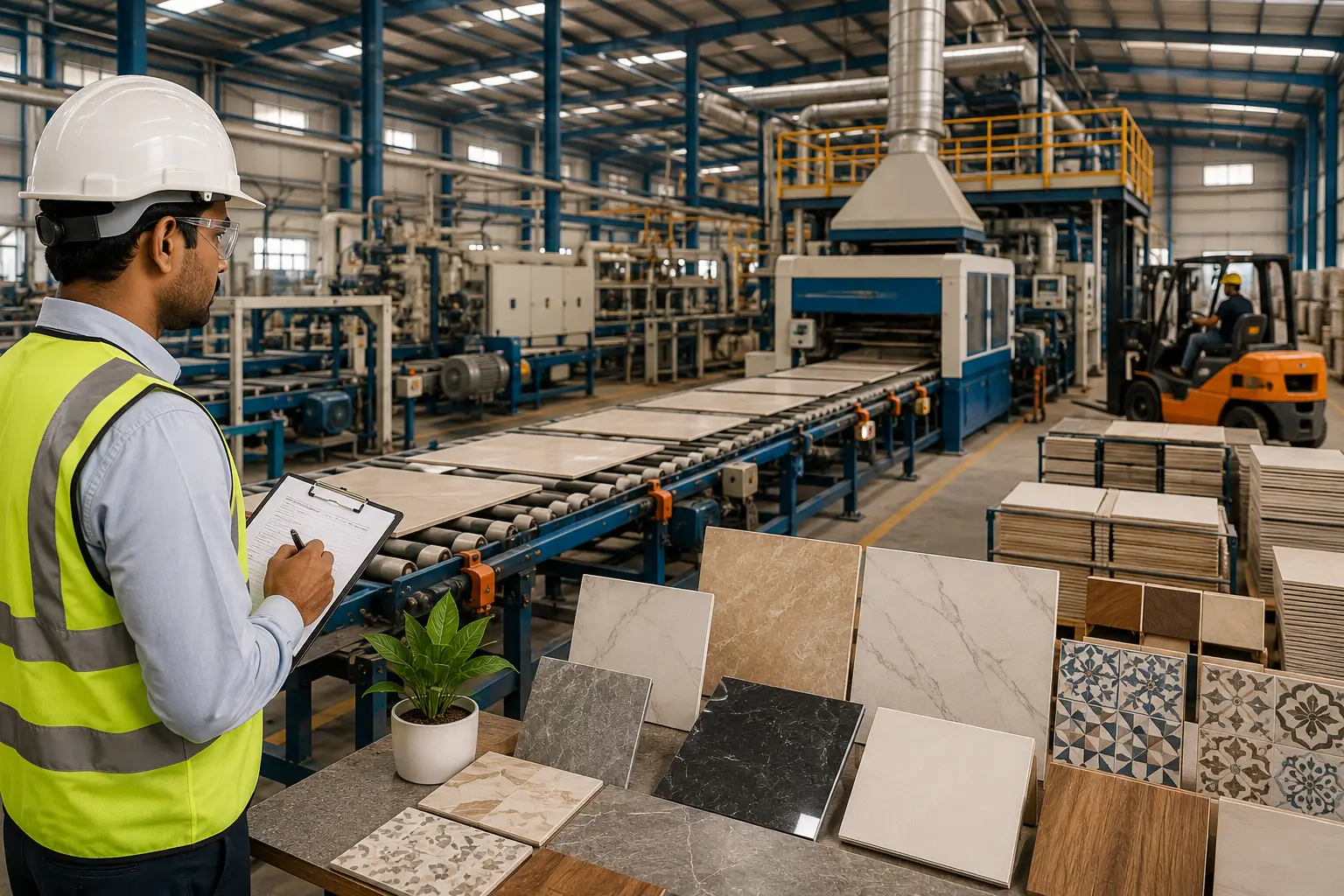
Tile Manufacturing is growing very fast in India. Because more buildings and homes are being built, everyone needs all kinds of tiles for floors and walls. Every year, thousands of new homes, offices, shops, hotels, hospitals, and schools need good tiles to look nice and stay strong.
Today, people want tiles for their homes that are strong, look great, and are easy to clean. Builders also like modern tiles because they make properties look better and last for a long time. Because more and more people want these tiles, it is a great time for new business owners to start making them.
Although this business requires a higher investment than many small businesses, it also offers good long-term growth and profit potential. If you focus on quality, modern designs, and efficient production, you can build a successful brand in the market.
What is a Tile Manufacturing Business?
A Tile Manufacturing Business involves producing different types of tiles that are used for flooring, walls, kitchens, bathrooms, terraces, offices, and commercial buildings. Raw materials preparation, tile shaping, drying, fire, polishing, quality testing, packing, and delivery to wholesalers, retailers, builders, and contractors are all steps in the manufacturing process. The business can operate on a small, medium, or large scale depending on the available investment and production capacity.
Why Tile Manufacturing Business is Growing in India
Several factors have increased the demand for tiles across the country.
- Rapid Growth in Construction: India is witnessing continuous growth in residential and commercial construction. New apartments, villas, offices, factories, hotels, hospitals, and educational institutions require large quantities of tiles.
- Home Renovation Trend: It is common for homeowners across India to renovate their kitchens, bathrooms, and living rooms in a few years. These home renovation projects now frequently include updating outdated floors with contemporary tiles.
- Increasing Urbanisation: As cities expand, new housing projects continue to increase. This creates consistent demand for different types of ceramic and vitrified tiles.
- Better Design Choices: Today’s customers have hundreds of tile designs, colours, textures, and finishes to choose from. Manufacturers who offer attractive designs often gain a competitive advantage.
Types of Tiles You Can Manufacture
Choosing the right product category for tile manufacturing is important before setting up your factory.
- Ceramic Tiles: Ceramic tiles are widely used in homes because they are affordable, durable, and available in many designs. They are commonly used for walls and indoor flooring.
- Vitrified Tiles: Vitrified tiles are known for their strength, low water absorption, and smooth finish. They are popular in modern homes, offices, malls, and commercial buildings.
- Porcelain Tiles: Porcelain tiles are exceptionally tough, making them a great choice for both inside and outside spaces. You can find them in glossy, matte, and textured styles to match any look.
- Parking and Outdoor Tiles: These tiles are specially designed for driveways, gardens, footpaths, and outdoor spaces. They are stronger and provide a better grip.
- Wall Tiles: Wall tiles are mainly used in kitchens, bathrooms, hospitals, hotels, and commercial buildings to improve appearance and simplify cleaning.
Investment Required to Start a Tile Manufacturing Business
Starting a tile manufacturing business takes a lot of money. You have to pay high costs for heavy machinery, building the factory, and running utilities like electricity and water.
| Business Size | Estimated Investment |
| Small Manufacturing Unit | Rs. 30 lakh – Rs. 75 lakh |
| Medium Manufacturing Plant | Rs. 75 lakh – Rs. 3 crore |
| Large Manufacturing Plant | Rs. 3 crore and above |
Your investment may include:
- Factory land or building
- Manufacturing machinery
- Raw materials
- Power connection
- Labour costs
- Packaging materials
- Transportation
- Office setup
- Working capital
- Marketing expenses
How much money you need to invest depends on how many tiles you want to make and what kind of tiles you plan to produce.
Raw Materials Required
Good raw materials make tiles strong and give them a nice finish. Some common ingredients which are required for tile manufacturing are clay, feldspar, quartz, silica, kaolin, color pigments, glaze materials, and water. Buying these supplies from trusted vendors helps ensure your tiles turn out high-quality every single time.
Machines Required
The machinery used for tile manufacturing depends on the type and scale of production.
Common machines include:
- Ball mill
- Mixer
- Hydraulic press
- Tile moulding machine
- Dryer
- Kiln or furnace
- Glazing machine
- Polishing machine
- Cutting machine
- Packing machine
Modern automated machines improve production speed, reduce labour costs, and maintain uniform quality.
Space Required
A tile manufacturing unit needs adequate space for production, storage, quality inspection, and transportation.
Apart from the manufacturing area, you also need space for:
- Raw material storage
- Finished goods warehouse
- Office
- Loading and unloading area
- Vehicle movement
Choosing a location with good road connectivity reduces transportation costs.
Tile Manufacturing Process From Start to Finish
1. Raw Material Preparation
The required minerals and materials are carefully measured and mixed. The mixture is processed until it becomes smooth and uniform.
2. Tile Forming
The mixed material is put into tile molds and pressed hard using heavy machines. Using the right amount of pressure makes sure the tiles get the correct shape and become strong.
3. Drying
Newly made tiles are still wet. They need to dry completely before they go into the hot kiln to be baked.
4. Firing
Tiles are heated in high-temperature kilns. This process hardens the tiles and improves their durability.
5. Glazing and Printing
Depending on the product, glaze and decorative designs are applied. Modern digital printing technology allows manufacturers to create attractive patterns that resemble marble, wood, stone, and other natural surfaces.
6. Quality Check
Every batch of tiles goes through a quality check before it reaches the market for sale. The tiles are checked for the correct size, uniform colour, strength, smooth finish, and any visible cracks or defects.
7. Packaging
Tiles are packed securely to prevent damage during transportation. Proper packaging also improves your brand image.
Licenses and Registration
Before starting commercial production, you should complete the required registrations and approvals.
Depending on your business size and location, these may include:
- Business registration
- PAN and bank account
- GST registration
- Factory licence, where applicable
- Pollution control approvals, if required
- Fire safety compliance, where applicable
- Labour law registrations
Since legal requirements vary by state and business size, always verify the latest rules with the concerned government departments before starting operations.
How to Sell Your Tiles
Manufacturing quality products is only one part of the business. Strong marketing is equally important.
- Building Material Dealers: Tile dealers purchase products in bulk and supply them to customers. Maintaining good relationships with dealers can generate regular orders.
- Construction Companies: Builders require large quantities of tiles for residential and commercial projects. Supplying directly to construction companies often leads to long-term business.
- Interior Designers: Interior designers recommend tiles to their clients during home and office projects. Working with designers can increase your product visibility.
- Retail Showrooms: Displaying your products in tile showrooms helps customers compare designs before making a purchase.
- Online Marketing: Many buyers now search online before visiting stores. A professional website, Google Business Profile, and social media pages help customers discover your brand.
Major Hurdles Every Tile Maker Faces in the Tile Manufacturing Business
Like every manufacturing business, tile production also has certain challenges.
- High Initial Investment: Building a factory and buying big machines costs a lot of money. You need to plan your budget very carefully before you start.
- Rising Raw Material Costs: Prices of minerals, fuel, and transportation may change over time. Managing costs efficiently helps maintain profitability.
- Strong Competition: Many local and national brands already operate in the market. Offering unique designs, reliable quality, and good customer service can help your business stand out.
- Quality Control: Even small defects can result in rejected products. Maintaining strict quality standards reduces customer complaints and returns.
Tips for Success in Tile Manufacturing Business
- Invest in Modern Machinery: Modern equipment improves production speed and product consistency. It also reduces wastage and long-term operating costs.
- Focus on Product Quality: People want strong tiles that look good and are the exact right size. When your tiles are always good quality, customers trust you and keep coming back to buy more.
- Build a Strong Dealer Network: Dealers play an important role in expanding your market reach. Regular communication and timely deliveries strengthen business relationships.
- Offer New Designs Regularly: Customer preferences change with interior design trends. Introducing new colours, textures, and finishes keeps your product range competitive.
- Provide Good Customer Support: Quick responses to dealer enquiries, timely deliveries, and reliable after-sales service improve your reputation and encourage repeat orders.
Conclusion
The Tile Manufacturing Business offers excellent long-term opportunities because the demand for quality tiles continues to grow across India. Rapid urbanisation, increasing construction projects, and home renovation activities have created a large and expanding market for tile manufacturers.
Tile Manufacturing takes a lot of money and careful planning, but it can make a good profit if you run it well. To succeed, you need to make strong tiles, use good machines, keep your costs down, and sell your products through a big network of shops and builders.
If you focus on quality, innovation, and customer satisfaction, your tile manufacturing business can establish a strong position in the competitive construction materials market.
Read More: Wall Mounted vs Table Top Wash Basins: Which Suits Your Bathroom?