Many Indians are interested in the import export business because they are willing to trade outside the local markets. The prospect of purchasing in one country and selling in the other country is so thrilling that first-timers find themselves confused about where to begin. The good news is that this business is more viable now than it was before, particularly with digital tools, government subsidies, and demand worldwide.
This blog simplifies the import export business in a detailed and realistic manner. It is about being clear and not hyped so that you can know the way things really work on the ground.
Table of Contents
What is an import export business?
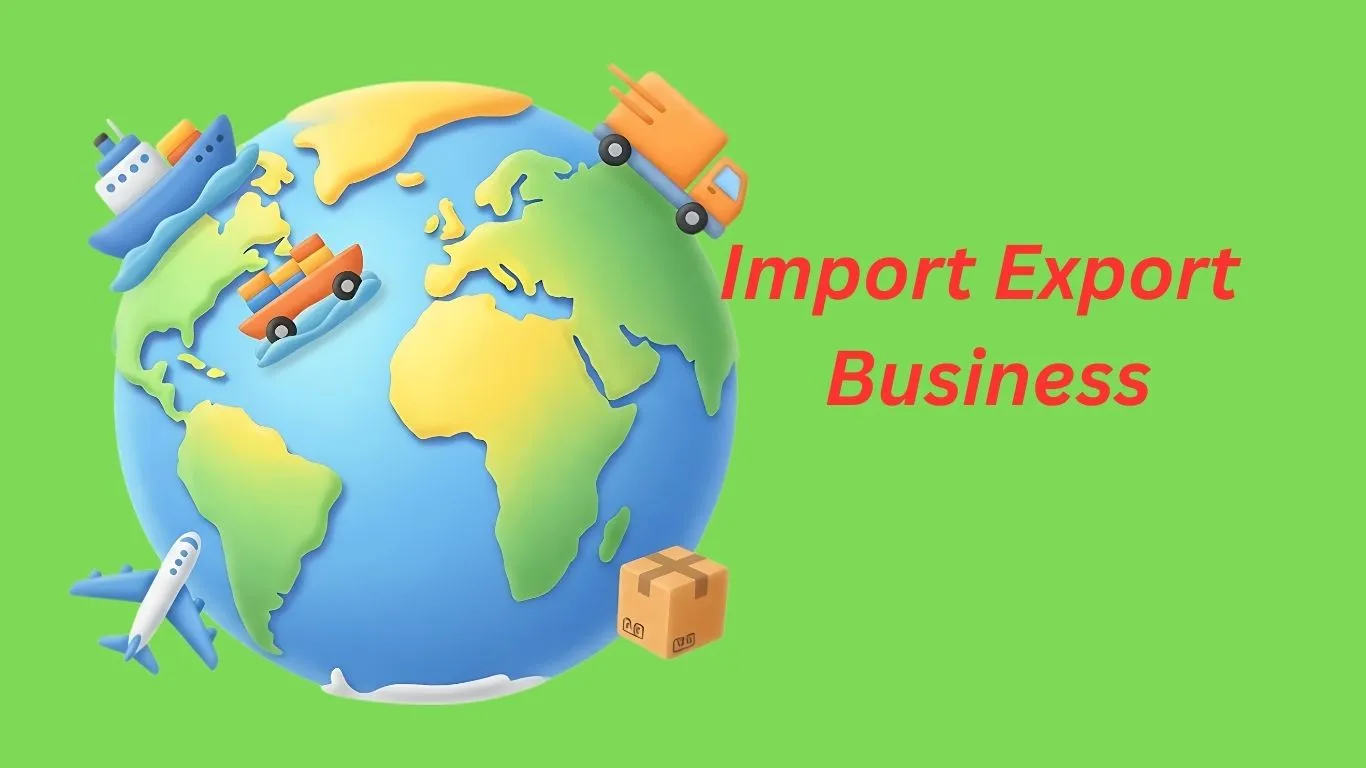
An import export business deals with the purchase of goods in one country and selling them in a different country. Import refers to the entry of goods into India, whereas export refers to the sale of goods out of India.
Price differences, quality demand, and market gaps are ways through which traders make profits. Agricultural products, textiles, manufacturing, machinery, and processed food are some of the Indian businesses that are exported. Simultaneously, India also imports electronics, raw materials, and specialised equipment.
It is a model that seems easy, yet it is based on planning, compliance, and market understanding that will lead to success.
Why import export business popular in India
India is an excellent manufacturing and agricultural nation with skilled labour. This brings out a large variety of export products. Indian suppliers are also trusted by buyers around the globe because of their reasonable prices and quality.
The entry is now simplified through government programs such as easy registration, incentives for exports, and electronic records. Better logistics and payment systems also contribute to international trade.
The import export business to most entrepreneurs, provides them with international visibility without them having to establish offices in other countries.
How the import export business actually works
The first step is to identify a product with a demand in an overseas market. The trader then identifies buyers or suppliers and negotiates prices, quantity, and terms of delivery.
After the agreement between both parties, documentation, payment method, shipment, and clearance of customs are involved; all the steps need to be taken into consideration. Yet, none of them are excessively complicated once you get the flow.
Documents required to start an import export business in India
Every import export business in India must follow basic legal requirements. The most important one is the Import Export Code, also known as IEC. Without it, you cannot legally trade across borders.
You also need a business registration, a bank account, and tax compliance documents. Product-specific licenses may apply in some cases.
Proper documentation builds trust with buyers, banks, and customs authorities.
Choosing the right product for import export
Product selection decides the future of your business. Beginners often fail because they choose products without research.
Look for items that have steady demand, manageable competition, and reasonable profit margins. Products with simple packaging and lower damage risk work better for beginners.
It also helps if you understand the product well or have access to reliable suppliers.
Finding buyers and suppliers
Finding genuine buyers and suppliers is a crucial step in the import export business. Many beginners depend only on online platforms, which can be risky.
Attend trade fairs, exhibitions, and industry events whenever possible. These places help build real connections and trust.
Professional communication, clear quotations, and timely responses improve your chances of closing deals.
Payment methods in the import export business
International payments require caution. Safe payment methods protect both buyers and sellers.
Some of the common ones are advance payment, letters of credit, and bank transfers. The methods have varying risk levels.
When starting, you need to concentrate on safer options despite the margins not being as high. Speed is not as important as security.
Role of logistics and shipping
Logistics play a major role in import export success. Shipping costs, delivery time, and handling affect profit and customer satisfaction.
You can work with freight forwarders who manage shipping, customs clearance, and documentation. This reduces your workload and errors.
Choosing the right shipping mode depends on product type, urgency, and cost considerations.
Common challenges in the import export business
The import export business does come with challenges, especially in the early stages. Currency fluctuations, delayed payments, and documentation errors can cause stress.
Cultural differences and communication gaps also affect deals. Learning basic international business etiquette helps build better relationships.
Most problems are reduced with experience and professional support.
Profit potential and growth scope
The import export business deals with a wide variety of products, and profit margins differ according to the product and the market. There are those that are low-margin and high-volume products. There are those who give a high margin and have niche demand.
The keys to long-term growth are stability and reputation. You can achieve stability by retaining customers and having great relationships with suppliers.
Is the import export business suitable for beginners?
Yes, beginners can start the import export business if they follow a structured approach. You do not need huge capital or advanced degrees.
What you need is patience, a learning mindset, and attention to detail. Start with one product and one market. Learn from each transaction.
Government support and learning resources
In India, training programs, export promotion councils, and financial support schemes are offered by the Indian government. New traders are guided by these resources to know procedures and regulations.
There are also banks and trade bodies that provide advice on payment and risk management.
Knowledge of these resources minimizes the errors made by beginners.
Future of Import-Export Business in India
Global trade continues to grow, and India plays an important role in supply chains. Demand for Indian products remains strong in many countries.
Digital platforms and improved logistics make cross-border trade faster and more transparent.
This opens up long term prospects of traders who would adjust and keep themselves updated.
Summary
The import export business is not a shortcut to quick money, but it offers real potential for those who approach it seriously. It rewards planning, honesty, and consistency.
Indian entrepreneurs have strong advantages in terms of products, skills, and global demand. With the right mindset and step-by-step learning, this business can grow into a stable income source.
Read More: World Best Business Opportunity You Can Start Today