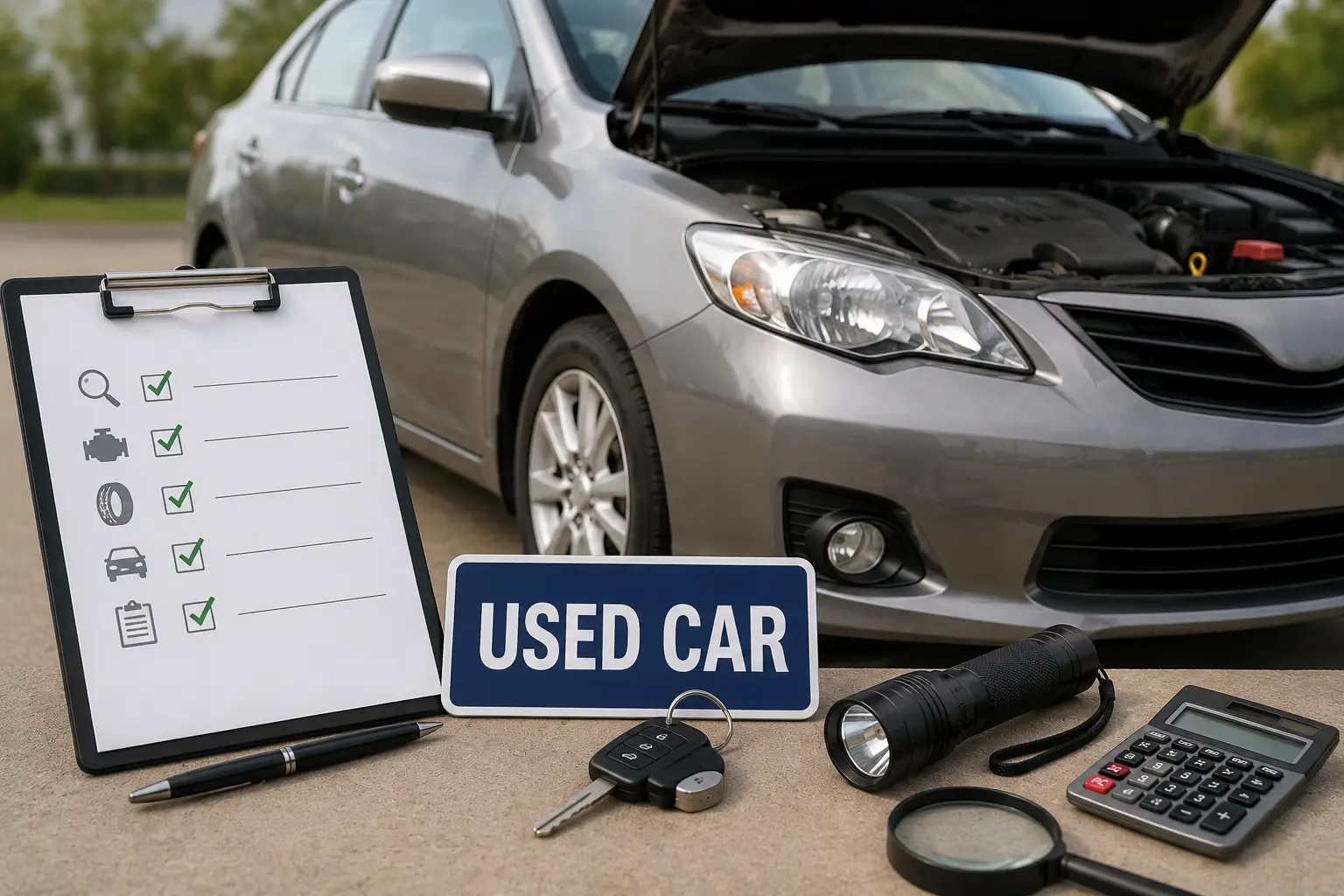
Buying a used car is often a smart way to save money compared to buying a new one. But if you take a car loan without checking the vehicle properly, you could end up spending a lot on repairs later. Many people only look at the monthly EMI and forget to check the actual condition of the car. Even if a bank or lender approves your loan, it doesn’t mean the car is free from problems.
Before signing any financing agreement, it’s important to inspect the car carefully, check its service and ownership history, and understand all the costs involved in owning it. In this article, you will learn how to inspect a used car step by step before financing it, helping you avoid costly mistakes and make the right buying decision.
Table of Contents
Why Inspecting a Used Car Before Financing Is Important
When you finance a used car, you agree to pay monthly EMIs for several years. If the car starts having major problems soon after you buy it, you’ll still have to pay the loan, insurance, registration fees, and repair costs. It is important to check the car carefully before purchasing. A proper inspection can help you find hidden issues, spot signs of previous accidents, and identify possible odometer tampering.
Knowing the actual condition of the vehicle can save you from unexpected expenses later. It can also help you negotiate a better price with the seller and make a smarter decision before taking a car loan.
Step 1: Check the Vehicle History First
Before meeting the seller, gather as much information as possible.
Verify the VIN
VIN is a unique fingerprint for your car. It is essential to use this number to look up important information before buying a used car. Such as who built the car, its history of accidents, any past ownership issues, and if there are any outstanding safety recalls. Because this information is vital for your protection, you should consider it a major worry if a seller refuses to provide the VIN. Always make checking the VIN one of your very first steps before deciding to purchase a used car.
Review Service Records
Buyers should always ask to see a used car’s service records. A good seller keeps these papers organized. The buyer should look for receipts for oil changes and brake service. They should check for proof of new batteries or tires. Buyers should also look for records of any major repairs. Reviewing these service records helps a buyer avoid expensive problems later.
Step 2: Inspect the Exterior Carefully
Never inspect a used car at night or during heavy rain. Good lighting helps reveal defects that sellers may try to hide.
Look for Paint Mismatches
A buyer should walk slowly around the used car to inspect its exterior. They need to check the doors, bumpers, fenders, hood, and roof. They should look closely at the paint on these parts. Different shades of paint may show that the car was repaired after an accident.
Check Panel Gaps
Buyers should check the gaps between the car’s body panels. These gaps should be even all the way around. Uneven gaps can suggest past collision damage. They may also indicate poor repair work. A thorough exterior inspection is very important. Checking panel alignment is a key way to spot a car that was in a wreck.
Search for Rust
A buyer should pay close attention to specific areas when checking for rust. These areas include the wheel arches, door edges, the underbody, and the trunk area. Detecting rust is very important. Rust repairs can be extremely expensive.
Step 3: Examine Tires and Wheels
Tires reveal a lot about a car’s overall health.
Check Tire Tread
Uneven wear on tires is a major warning sign. It often signals deeper problems with the used car. Uneven patterns may indicate that the car has alignment problems. It can also point to underlying suspension issues. In some cases, it shows that the used car has suffered from poor maintenance.
Inspect All Four Tires
Ensure:
- Similar wear patterns
- Matching tire brands
- No cracks or bulges
Replacing all four tires immediately after purchase can significantly increase ownership costs.
Step 4: Inspect Under the Hood
Even if you are not a mechanic, you can identify several warning signs.
Check Engine Oil
Healthy engine oil should appear relatively clean. A buyer should check the oil during their inspection. They must avoid used cars that show signs of damage. This includes oil that looks like thick sludge. They should also watch for a burnt smell. Finally, they should check for metal particles in the oil. These signs indicate serious engine trouble.
Examine Fluid Levels
A buyer should check the used car’s main fluids. These include the coolant, brake fluid, power steering fluid, and transmission fluid. If these fluids are low or dirty, it might mean the previous owner did not take good care of the car.
Look for Leaks
A buyer should look under the used car and inside the engine area for any leaks. They should specifically check for oil, coolant, or transmission fluid on the ground or on engine parts. These leaks are serious signs of trouble. They show that the vehicle may have mechanical damage that is expensive to fix.
Step 5: Check the Interior
A used car interior often reflects how previous owners treated it.
Inspect Seats and Upholstery
A buyer should inspect the car’s seats and interior fabric. They should look for signs of heavy use, such as excessive wear or tears. They should also check for stains or signs of water damage. A clean, well-kept interior often suggests that the rest of the car was also treated with care.
Test Electronics
A buyer should test every electronic feature in the car. They need to check the power windows and the central locking system. They should turn on the air conditioning to see if it blows cold air. They should use the touchscreen system to ensure it works properly. They must check the headlights and all interior lights. They should also verify that the reverse camera displays a clear image. Electrical issues are often difficult to fix and can become very expensive repairs.
Watch for Flood Damage
A buyer should look for signs of flood damage. Key indicators include a musty smell, damp carpets, or water stains. They should also check for corrosion under the seats.
Step 6: Start the Engine Cold
Ask the seller not to warm up the vehicle before your visit.
Cold starts reveal problems that warm engines may hide. Multiple used-car inspection guides recommend observing a cold start because it can expose startup issues more clearly.
Listen Carefully
A buyer should listen closely to the car while it runs. They need to pay attention to any knocking or ticking noises coming from the engine. They should also feel for any excessive vibration. These sounds and sensations are often warning signs of serious engine or mechanical problems.
Watch the Dashboard
A buyer should check the dashboard warning lights when they start the engine. All lights should turn on for a moment. Then, they should turn off once the engine is running. A light that stays on is a warning sign. These persistent lights should never be ignored, as they often point to active system faults.
Step 7: Take a Proper Test Drive
The buyer should drive the car for at least 15 to 20 minutes to check car’s condition. Buyers should test the vehicle on city streets, highways, and uneven surfaces to evaluate the car’s performance. This drive tells how the car handles.
Test Braking Performance
During braking:
- The vehicle should remain straight
- No grinding noises should occur
- The pedal should feel firm
Check Steering
A buyer should check the steering carefully. They must watch for the vehicle pulling to one side, feeling vibrations in the steering wheel, or noticing a loose response. Performing a thorough test drive across different road conditions is highly recommended to identify these hidden mechanical issues.
Step 8: Verify Essential Documents
Verify all documents are genuine before buying a used car. The buyer should check that the seller’s name, engine, and chassis numbers match the Registration Certificate. The buyer should review active insurance and service records to confirm maintenance and mileage. Finally, make sure there are no outstanding loans by requesting a loan closure certificate or NOC.
Step 9: Calculate the True Cost of Ownership
Many buyers focus only on the purchase price. However, you must also consider the long-term ownership costs, as a cheaper vehicle can often end up being more expensive over time.
| Expense | Estimated Impact |
| Insurance | Annual cost |
| Fuel | Monthly expense |
| Tires | Replacement every 3–5 years |
| Battery | Replacement every 3–4 years |
| Servicing | Regular maintenance costs |
| Repairs | Potential for unexpected expenses |
Step 10: Get a Professional Pre-Purchase Inspection
One of the smartest investments you can make is hiring an independent mechanic.
A professional inspection can reveal:
- Hidden engine problems
- Transmission issues
- Frame damage
- Suspension wear
- Accident repairs
Spending a small amount on a pre-purchase inspection may save thousands in future repair bills. Independent inspections are frequently recommended as one of the best safeguards before buying a used vehicle.
Warning Signs: When to Walk Away
If you see any of these red flags, it is best to stop the deal and walk away.
- Missing Papers: If the seller can’t show you the original registration or title, do not buy the car.
- VIN Mismatch: If the ID numbers on the car don’t match the numbers on the documents, the car might be stolen or fake.
- Flood Damage: If the car smells musty, the carpet feels damp, or you see rust inside the cabin, it was likely flooded.
- Fake Mileage: If the odometer reading doesn’t match the service records or the car looks way more worn out than the miles suggest, someone may have tampered with it.
- Big Repairs: If the body panels look crooked, the paint doesn’t match, or the frame looks bent, the car was likely in a major accident.
- Engine Smoke: If you see thick smoke coming from the exhaust. It means there is a serious problem with the engine.
- Bad Gear Shifting: If the car feels like it is struggling or slipping when it changes gears, the transmission is likely failing.
- No Inspection Allowed: If the seller refuses to let you or a mechanic check the car, they are probably hiding something big.
Summary
Financing a used car can be a great way to own a vehicle without paying the full amount up front. However, the goal should not be just to find a low monthly EMI. You also need to make sure the car is reliable, safe to drive, and worth the money you are investing.
You can avoid many common problems that used car buyers face by carefully inspecting the vehicle, checking all important documents, taking a proper test drive, and getting it examined by a professional mechanic. These simple steps can help you make a confident purchase and reduce the risk of unexpected repair costs in the future.
Read More: AI for Small Businesses in India (2026): A Practical Guide
Frequently Asked Questions
Can I finance a used car without an inspection?
Yes, but it’s highly risky. Financing approval doesn’t guarantee the vehicle is mechanically sound.
How much does a professional car inspection cost?
Costs vary by location and vehicle type, but it is generally much cheaper than unexpected repairs.
Is a vehicle history report enough?
No. A history report should complement a physical inspection, not replace it.
What is the biggest mistake buyers make?
Focusing only on monthly loan payments instead of the vehicle’s actual condition and long-term ownership costs.